Cover Crop and Winter Garden Prep
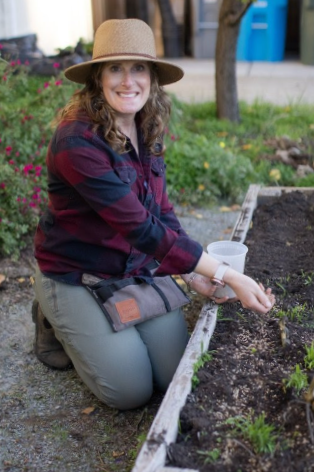
Happy October! This is one of my favorite months of the year. I am not a pumpkin spice person. :0) However, I LOVE feeling the seasons change. I love watching the garden preparing to go to sleep for winter.
The leaves changing color and dropping to protect the soil and the tree roots. I love the colder mornings and seeing nature slow down. Nature is reminding us to prepare to slow down too. Humans are supposed to follow nature’s lead, do less, slow down, conserve our energy. I am not sure where it says to speed up and totally deplete yourself during the holidays. :)
I suppose commercialism is what changed everything! What if for the holidays and seasons changing we gifted recipes and plants instead of more stuff. The consumerism is off the charts, I know we don’t need more stuff - I need much less items and truly want things that conjure memories and joy!
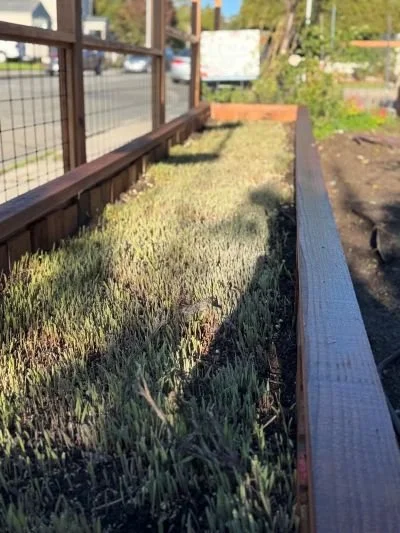
It is my favorite time of year to talk about cover crop! While we are discussing it in October, it shouldn’t be seeded until November when you see a good rain coming in the forecast.
Lets dig in… Cover crop are seeds that are planted purposely to cover bare soil, and revitalize soils after heavy feeding plants have been planted. Cover crops have long roots that go down and break up hard clay or compacted soil, allowing more rain to be absorbed to fill our groundwater stores. Planting cover crop seeds is the cheapest most effective way to quickly revitalize depleted or degraded soil in your gardens.
When cover cropping, I mix all seeds into a large bucket. I use usually at least 2-3 different varieties of seeds because different plants benefit different aspects of soil health. I sprinkle them into the soil and then give it a good soak of water either from the sky or hand watering. If you don’t see on and off rain coming into the forecast, then you will need to turn irrigation on or hand water every other day. Once we have had a bit of rain, the seeds will get going and start working their magic. You shouldn’t need to water again because the roots are holding on to any moisture that we have gotten in rains.
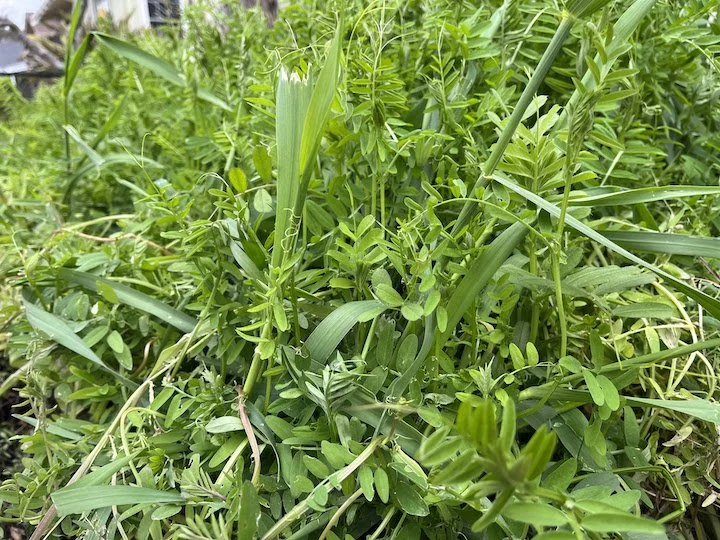
In February or early March is when I terminate or cut back the cover crop. You need to cut it back about 6 weeks before we intend to plant summer veggies. I usually leave it about 2 inches tall. I chop up all the leftover cover crop that I just cut off and leave it on the surface, then I cover it with newspaper. The rains come turn the lovely green mulch grasses into worm food for the wonderful insects living in the soil. Stay tuned for full detailed information on terminating cover crop in the February 2027 newsletter!
Also, you can cover crop in different seasons. Given we are in California and usually only get winter and spring rains, I choose not to cover crop any other time of year to save the water, since I would need to water heavily in summer. :)
What To Do In Your Garden This Month
The month of October is where the summer produce is definitely winding down or done. It is really about prepping for winter. This DOESN’T mean chop all plants down and clear away all leaves. It means helping nature do what she already is trying to do. Remember we are the assistant, not the dictator.
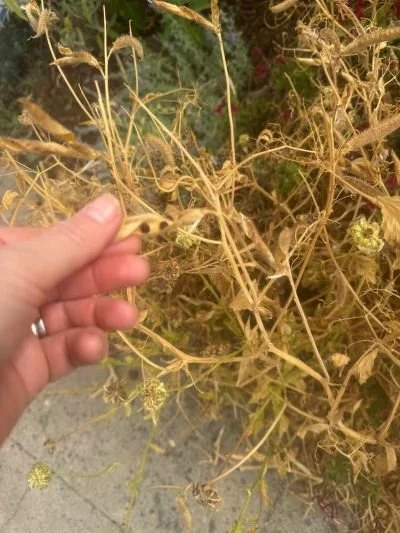
LEAVE the LEAVES - the trees are trying to protect the soil, plants and roots for winter. If you have excess leaf debris and it is piling up in certain spots, you can move them to a more open spot and use that leaf debris to build healthy soil in that location. We will be doing this in a few clients’ gardens. Just a reminder: excess leaf debris, sticks etc are not garbage - they are natures carbon and the best kept secret to building healthy soil.
If you don’t have leaf litter around, be sure to cover bare soil with a good mulch to hold in all the rains and prevent the rain from taking away your top soil. This should be done in October, if done in November you risk covering and suffocating native bees and other insects that may have already started to hibernate.
Be sure to order or pick up cover crop seeds to have on hand for seeding in November when we see a good rain in the forecast. Reach out if you want to schedule garden coaching sessions around cover crop.
It is likely your summer veggies have called it quits and maybe you already have some winter veggies planted. When removing spent summer veggies, be sure to cut all plants at the soil level, tomato debris and leaves should be removed from the soil as it can harbor pests and create a bigger problem in your soil. All other produce you can cut at the soil level and chop up the leaves and leave a green mulch.
Leave the seed heads from the spent summer flower blooms to feed the birds in winter. The birds will also use the sticks to build nests too. Just a reminder, the native bees use those hollow sticks to hibernate or build homes in. Of course, add in more native pollinators for low water plant and to support the native bees as well.
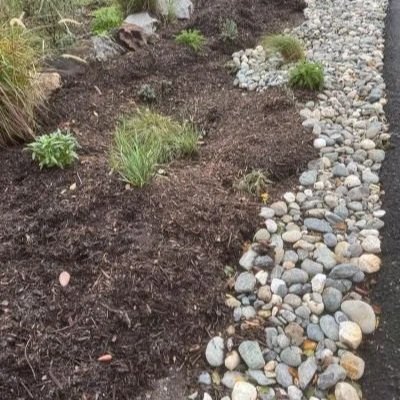
Stay tuned for the November newsletter on rain gardens! They say we are supposed to have an El Nino year which means hotter ocean temperatures and greater inches of rains coming our way. If you have been in the area for 20-30+ years, you might remember 1980 and 1997 winters were El Nino years. I remember hearing my dad had to take a boat from his office a mile away to our house to get home. :)
Let’s utilize all the rains coming to our benefit and build rain gardens to fill our ground water stores.
Happy October to you all! I challenge you to slow down and follow natures lead!