How Do We Support Native Bees
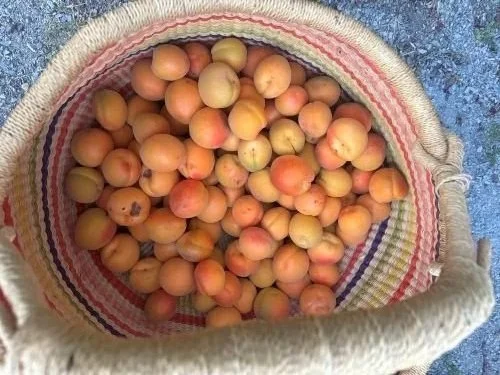
Happy June! This month summer comes in full swing. Our apricot tree is overstocked with gems. I can’t wait to eat them under the tree, make apricot jam, preserved apricots and of course my kids favorite apricot hand pies. I make a big batch of homemade pie crust, then fill the raw pie crust with fresh apricots and freeze them to enjoy in the winter. I never let any of the apricot gems go to waste. :)
Tomatoes and summer veggies are around the corner in our gardens, but you likely are seeing them at farmers markets or at locally owned small grocery stores. My oldest LOVES a caprese salad - tomato, basil, mozzarella salad. It is his go to summer time snack! Can you tell my family and I love fresh produce and eating seasonally? :)
I challenge you to eat seasonally (eat what is grown locally when it should be eaten) and see the difference in the taste of produce. It is way more nutritious for you too!
How Can we Support Our Native Bee Population
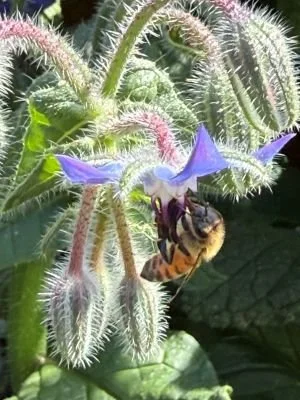
Did you know that we have native bees in Sonoma County? I have been hearing about the native bees vs honey bees debate for a bit. For a long time we have been building up the honey bee population because many were saying it was at risk. I am sure you saw many home hives popping up in peoples gardens.
However, native bees are declining due to the over population of honey bees, lack of resources and when leaf litter is cleared away - pollinator plants for both native and honeybee populations.
Let’s learn more about native bees and why they are beneficial and how we can support their increased numbers in our own gardens.
Types of Natives Bees:
Did you know there are 1600 native bees in California? They come in various sizes, colors and shapes. While honeybees are social bees and have a hive and make honey, the native bees rarely produce honey and are more solitary. The females lay eggs under ground or in wood piles and collect pollen for their babies.
You have likely seen more native bees in your garden than you think. Some typical native bees are the carpenter bees (look like large black teddy bears). Another variety I have recently seen in a clients garden was yellow faced bumble bee. This bee is easy to spot with bright yellow facial hair. She also carries pollen in between her legs so you might notice her legs are covered in pollen. My client and I were overjoyed to see this sweet bee hard at work in her garden!
A note on stinging - native bees are much more docile and focused on their pollinating work. They don’t become protective because as mentioned above they are more solitary in nature. Likely the only way they would sting is if they were pinched or squished.
Supporting Native Bees:
In previous newsletters, I mention waiting till the temperatures and soil have warmed up to prune or add mulch, most native bees are hibernating in the soil over winter. They create their homes in dead hollow sticks. When pruning it is important not to do it too soon. If you do, leave hollow stems out for bees to use as homes.
In the fall covering soil, in good mulch that helps hold in moisture but also supports all the native bees who might build their homes in the soil and ground. Of course, always having a bee fountain or water source in your garden to help the bees be able to stop for a drink in the heat of summer.
Planting Native Plants:
Just as important as not disturbing the soil when bees are hibernating or mulching too soon - is to plant native plants in your garden. Here are a few that are really helpful for our native bee populations: solidago, nepeta, ceanothus (ray hartman), frikart aster and of course California poppies. There are so many, but here are a few to get you started in supporting our native bee populations. Just a reminder, ALL our food gets touched by bees so it is VERY IMPORTANT that we support our native bees! Happy bees means a happy planet! :)
What To Do In Your Garden This Month
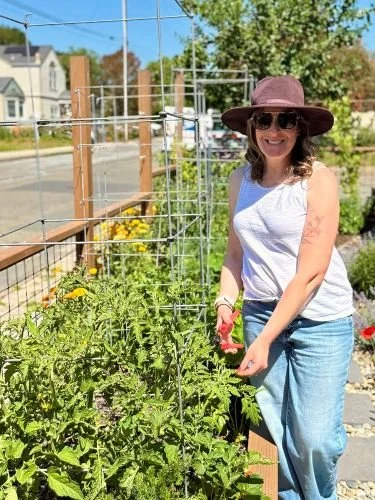
The month of June is a time to wait patiently and enjoy the fruits of your labor coming soon.
It is still good to continue pruning tomatoes to allow sun to come through and ripen the fruits. You want to open up the center a bit removing extra leaves to allow the sun to ripen all the tomatoes. Be sure that the leaves are not touching the soil where they pick up pests. I posted a video on socials to show how to prune. Be sure to follow @lumafrontyardfarming on IG.
Always plant companion plants with veggies to help bring good helpers to the garden to ward off pests. Marigolds are your best friend! I have to admit, I used to hate marigolds - thinking they were a gas station flower. I never knew the immense benefits they had to the garden!
If you do not have plants on irrigation, then it is best to do deep watering at night after the heat of the sun is gone. About 7:30pm to help the plants absorb all the water and keep it from burning in the heat.
Keep adding all those annual flower seeds. Please try to add in more native plants in your garden to support our native bee populations as mentioned above.
Be sure to cut herbs often so they don’t bolt in the increasing temperatures.
If you planted peppers, they may like some support as they fill with fruit!
As June comes barreling towards us with all the summer obligations and disorganized schedules from kids being out of school, be sure to take a moment in your garden. It maybe to eat the delicious produce or just enjoy the life enjoying your garden. The garden reminds us to pause and take a moment to enjoy the small things!
We are here to help you love your garden spaces. We only use regenerative garden techniques, working in the cycles of nature to restore ecosystems and build habitats.
Working together using regenerative gardening techniques in our own gardens is a great way to have an impact on the climate crisis and feel empowered! We are here to help you! We are scheduling consultations for July! Happy Gardening!!